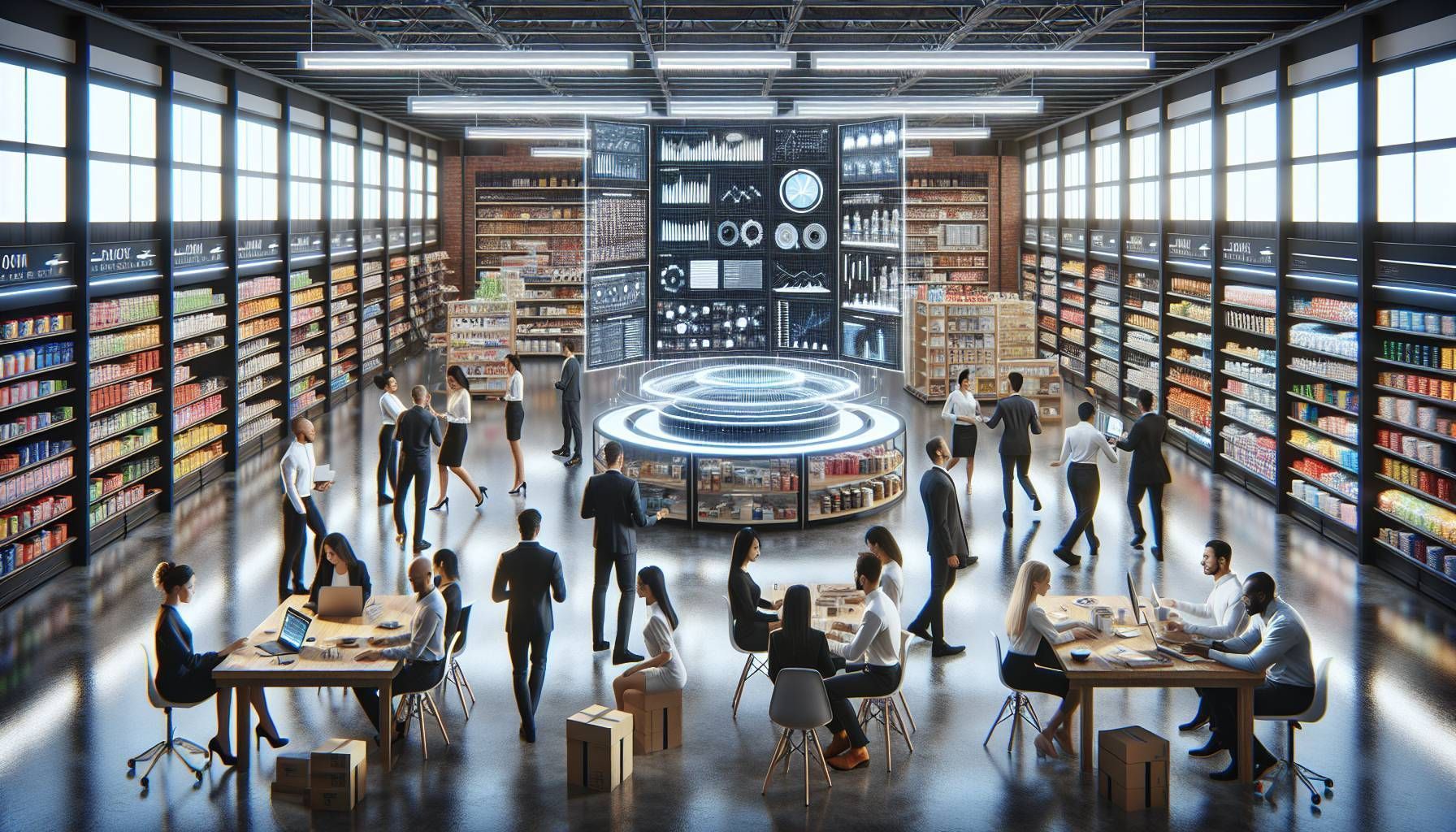
How to Bring Your Retail Processes Together to Thrive in Business
The importance of retail processes integration
The retail landscape is constantly changing and evolving, and in order to thrive, businesses need to be able to adapt quickly. One of the best ways to do this is by integrating your retail processes.
Integrated retail processes can help improve customer experience, supply chain efficiency, and overall agility and flexibility. In this blog post, we'll walk you through everything you need to know about retail process integration, including how to get started and the benefits of doing so.
Defining Retail Integration
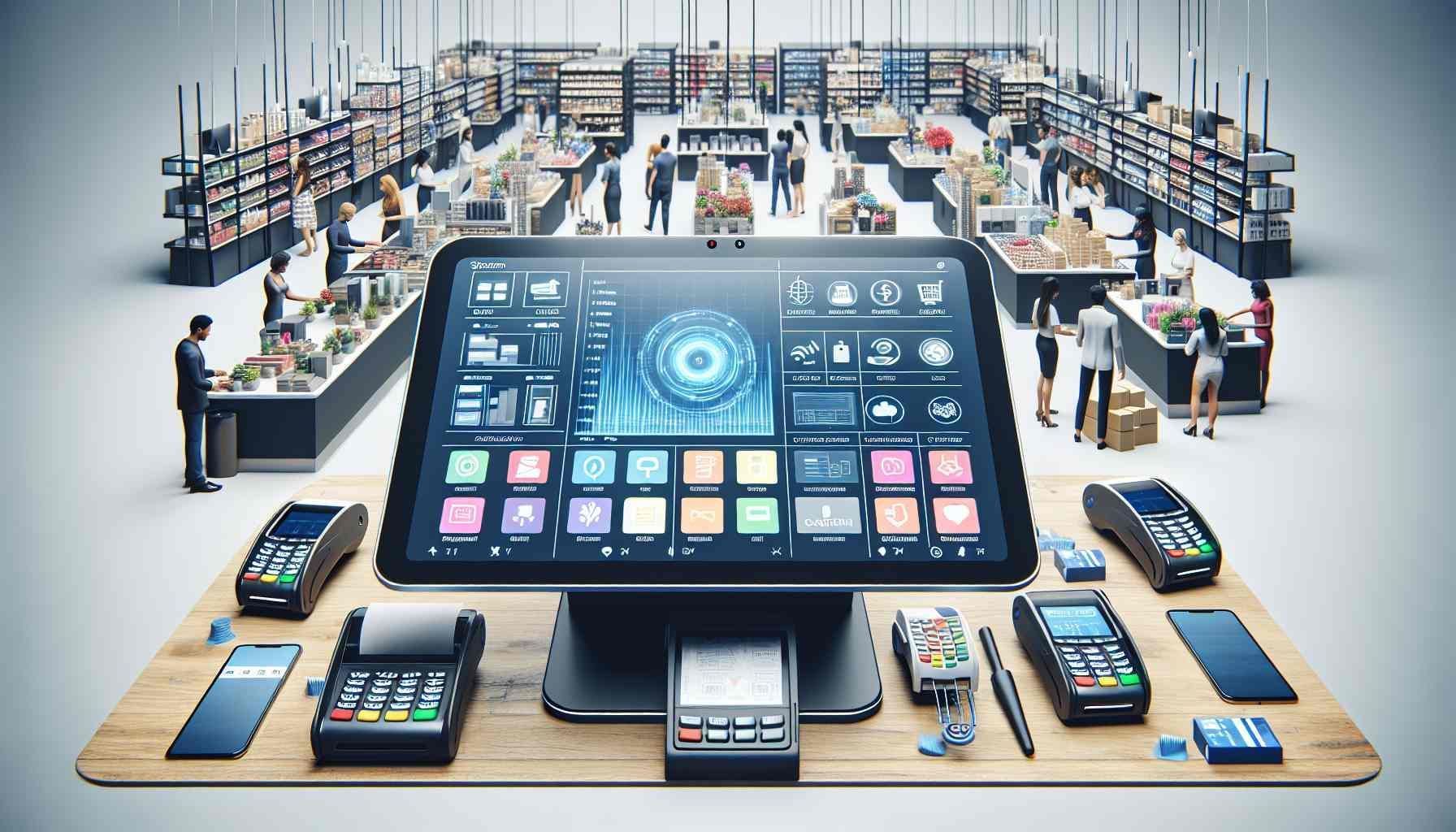
Retail integration is the process of unifying all aspects of a company's operations in order to create a streamlined, cohesive whole. This can be achieved through the use of technology, process improvement techniques, or both.
The goal of retail integration is to make every aspect of the company's operations work together seamlessly in order to provide the best possible experience for customers and to increase efficiency and profitability.
Some common examples of retail integration would be integrating
point-of-sale systems with inventory management systems and the
retail webshop, or using customer relationship management (CRM) software to track customer purchase history and preferences.
The benefits of retail integration
There are many potential benefits that can be gained from integrating all aspects of a company's operations, including:
Improved customer experienceWhen all aspects of a company's operations are working together seamlessly, it can lead to a better overall experience for customers. This, in turn, can lead to increased customer loyalty and repeat business.
Enhanced supply chain efficiencyBy integrating all parts of the supply chain, from suppliers through to final delivery to customers, companies can achieve greater efficiencies and cost savings. In addition, it can help to avoid disruptions caused by communication breakdowns or other issues.
Increased agility and flexibilityAn integrated operation is often more agile and flexible than one that is not integrated because changes can be made more quickly and easily across all systems. This can be a major advantage when responding to rapidly changing market conditions or customer needs.

What are retail processes?
- Supply chain management process
- Cash operations process
- Customer service
- Order fulfillment
- Marketing & Sales process
Supply chain management process
The first step in any retail process is supply chain management. This is the process of ensuring that all the necessary materials and products are delivered to the retail location in a timely and efficient manner. This includes managing relationships with suppliers, purchasing and booking products, and overseeing the logistics of transportation.
An effective supply chain management process is crucial for any retail business, as it can help to ensure that inventory levels are maintained, costs are controlled, and customer satisfaction is high.
Building a relationship with suppliers
In order to streamline your supply chain and bring your retail processes together, it is important to first focus on supplier collaboration. This means creating and maintaining strong relationships with the suppliers who provide the products or materials that you sell in your store.
There are a few key things that you can do to manage your supplier relationships effectively:
- Give your supplier insight into stock and sales levels
- Set up regular meetings with your suppliers to discuss performance and any issues that have arisen.
- Make sure you communicate your expectations clearly and give feedback regularly.
- Be proactive about identifying potential problems and work with your suppliers to find solutions.
- Reward good performance with positive reviews and continued business.
Purchasing & booking products
After you have established strong relationships with your suppliers, the next step is to focus on purchasing and booking products. This part of the process is all about ensuring that you have the right products in stock at all times, without overordering or underordering.
To do this effectively, you will need to develop a system for tracking inventory levels and forecasting future demand. This can be done manually or through the use of
wholesale integration. Once you have this information, you can place orders with your suppliers based on anticipated needs. It is also important to consider lead times when placing orders, as this will impact how much safety stock you need to keep on hand in case of unexpected delays.

Cash operations process
Another important aspect of running a successful retail business is effective cash management. This includes ensuring that all financial transactions are accurately recorded, tracking incoming and outgoing cash flow, and keeping up with bookkeeping and accounting duties.
In any business, but especially in retail, it is critical to have a handle on your cash flow. This means knowing how much money is coming in and going out on a daily basis. Retail businesses have to deal with a lot of small transactions, so it is important to have a efficient way to track and manage them. An efficient cash management system is essential for any retailer in order to maintain accurate records, control costs, and avoid any potential financial pitfalls. There are many software options available that can help with this, but it is mainly important to see how well it integrates with other systems.
One of the benefits of integrating your cash operations into a larger retail management system is that you can get a real-time view of your sales and inventory. This can help you make more informed decisions about where to invest your money and how to price your products. It can also help you spot trends and opportunities that you might otherwise miss.Another benefit is that it can save you time and money by streamlining your accounting processes. When all of your data is in one place, it is easier to generate accurate financial reports. This can save you from having to hire extra staff or outsource your accounting.
Bookkeeping integration
A key part of effective cash operations is bookkeeping integration. This means having all of your financial data in one place so that you can see where every penny is going. This can be achieved through using accounting software that integrates with your retail management system.
There are many benefits to bookkeeping integration, including reducing errors, saving time, and improving decision-making. Having all of your data in one place makes it easier to spot mistakes and correct them quickly. It also saves you from having to enter data manually into multiple systems, which can be both time-consuming and prone to error.
When everything is integrated, you have a complete picture of your finances at your fingertips which makes it easier to identify areas where you could be saving money or making better decisions about spending.
Customer service
Providing excellent customer service is also critical for retail businesses. This involves creating a positive shopping experience for customers, handling customer inquiries and complaints effectively, and providing after-sales support when needed. A recent study found that 71% of customers would take their business elsewhere if they had a bad experience. This means that retailers need to focus on providing excellent customer service in order to keep their customers happy and loyal.
Ensuring that customers have a
positive experience at your store can help to build loyalty and repeat business, so it’s important to invest time and resources into developing a strong customer service strategy.There are a few key things that retailers need to keep in mind when it comes to customer service. First, it is important to make sure that customers feel valued and appreciated. This can be done by offering them personalized service and attention. Secondly, it is important to resolve any issues or problems that the customer may have as quickly as possible. Finally, it is important to follow up with the customer after their purchase to ensure they are satisfied with their purchase.
Customer service Integration with other software

Order fulfillment
Another important process in retail is order fulfillment. This refers to the process of receiving orders from customers (whether online or in-person), picking and packing the items for shipment, and then shipping them out in a timely manner.
fulfilling orders promptly and efficiently can help to improve customer satisfaction levels, so it’s important to invest in good order fulfillment software solutions that can automate some of the tasks involved.
Order fulfillment process for retail shops
There are several factors to consider when choosing an OMS for your business, including:
- The type of products you sell (e.g., fashion vs. home goods)
- The number of SKUs you carry
- The average order value
- The shipping methods you offer (e.g., ground vs. expedited)
- Your return policy
- Your company's growth plans
Once you have selected an OMS that meets your needs, you will need to integrate it with your other business systems, such as your accounting software and eCommerce platform. This will ensure that data is seamlessly shared between all systems and that orders can be processed efficiently.
Marketing & Sales process
Finally, retail businesses also need to have an effective marketing and sales process in place. This includes identifying your target market, creating marketing campaigns that resonate with them, and then making the sale in a way that is convenient for the customer.
An effective marketing and sales process can help to increase brand awareness, drive traffic to your store, and boost sales.
In-store presentation and sales
In addition to online sales, many retail businesses also have a brick-and-mortar presence. For these businesses, it is important to ensure that products are properly displayed and priced in store so that customers can easily find what they are looking for and make purchases.
An effective way to do this is to use shelf tags with barcodes that can be scanned at the point of sale (POS). Shelf tags can be created using a variety of software programs and printed on standard printer paper or labels. Once printed, the tags can be affixed to shelves next to the corresponding products.
When a customer makes a purchase in store, the
POS system will scan the barcodes on the shelf tags to identify the products being purchased and process the transaction accordingly. This information can then be sent back to your inventory management system (IMS) so that stock levels can be updated in real-time.
Shelf tagging is a simple but effective way to streamline in-store operations and ensure that products are properly presented to customers. By integrating your POS system with your IMS, you can also ensure that inventory is accurately tracked and updated, providing valuable insights into sales patterns and product demand.
Stay connected through email and Social Media
The first step to an effective marketing and sales strategy is understanding who your customers are. This means segmenting your customer base and understanding their individual needs and wants. By doing this, you can create targeted marketing campaigns that are more likely to resonate with each segment. Additionally, you'll be able to better understand what motivates them to make a purchase so that you can adjust your sales pitch accordingly.
Once you know who your customers are, it's important to stay connected with them. This can be done through various channels such as email, social media, or even SMS messaging. By staying in touch, you'll be top of mind when they're ready to make a purchase. Additionally, you can use these channels to share special offers or promotions which can further incentivize them to buy from you.
Create multiple contact moments
Surprise the customer
How to Integrate Your Retail Processes
Identify which processes to integrate
Invest in retail integration solutions
The benefits of an integrated retail strategy
Enhanced supply chain efficiency
Increased agility and flexibility
Conclusion

We look forward to share the best strategies with you.
Thank you!

Bring your shop to the next level
Hi, I'm George and I like retail and technology. Therefore, my passion here at Retailgear.com is to provide you with reliable information to automate and digitize your store. You can find out what we can do for your industry through our menu. Also, feel free to check out this updated list of retail tools.
Get inspiration in your inbox to get more sales and store visitors with less effort.
Recent Posts